
REVIEW · NICOSIA TOURS
A Day Trip to Medieval FAMAGUSTA (Kyrenia, Nicosia or Famagusta )
Cyprus keeps its best stories in old stone. This private seven-hour trip links St. Barnabas Monastery, Salamis, medieval Famagusta, and the abandoned quarter of Varosha in one well-planned day. I like the private driver-guide, which lets you ask questions and set a comfortable pace, and I like the mix of sacred places, Roman ruins, Gothic architecture, and modern political history.
The strongest praise goes to guide Sirin, whose warm manner and lively explanations made the day especially memorable for several people. The main drawback is the schedule: two hours at St. Barnabas plus several one-hour stops can feel full, and lunch is not included. You should also confirm pickup details before booking, since central Kyrenia pickup is included while some other locations may cost extra.
- St. Barnabas Monastery includes the saint’s tomb and an Icon Museum, with about two hours for the visit.
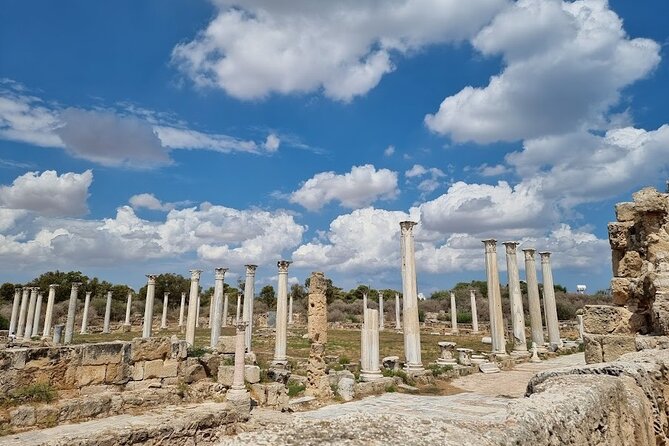
- Salamis gives you a compact look at ancient Cyprus, including a gymnasium, theatre, and Roman baths.
- Famagusta’s walled center combines Lusignan, Venetian, Ottoman, and later history in a walkable area.
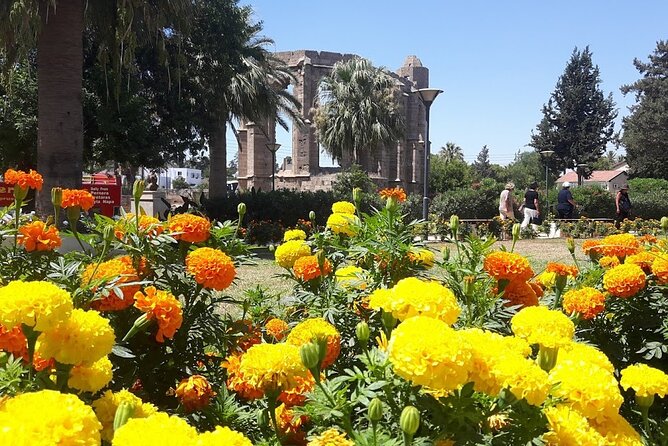
- Lala Mustafa Pasha Mosque began as a Gothic cathedral, then became a mosque under Ottoman rule.
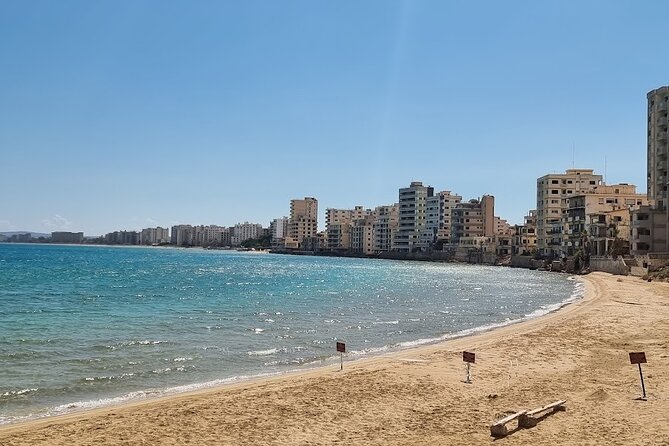
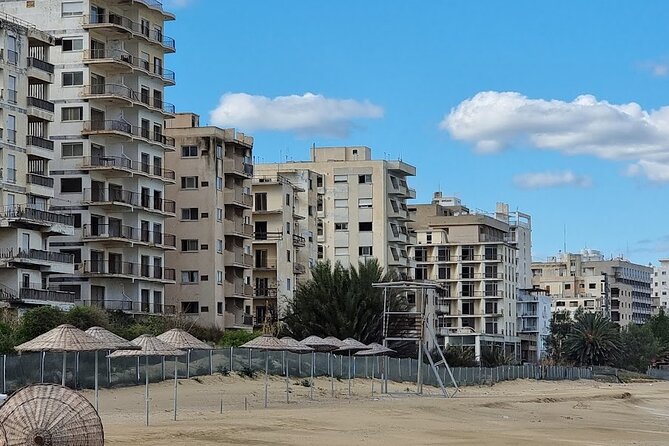
- Varosha offers a sobering look at an abandoned resort quarter closed after 1974 and reopened after 46 years.
- The $360.07 group price covers up to four people, private transport, guide service, water, fuel surcharge, and site tickets.
In This Review
- Why This Famagusta Day Trip Works
- A Private Ride Toward St. Barnabas Monastery
- St. Barnabas Monastery and the Icon Museum
- Salamis, Where Myth Meets Roman Ruins
- Entering Famagusta’s Medieval Walled City
- Lala Mustafa Pasha Mosque and Its Gothic Past
- Namık Kemal’s Prison in the Venetian Palace
- Varosha, Famagusta’s Abandoned Quarter
- Sirin’s Personal Touch
- Is $360.07 Good Value for Four People?
- Who Should Book This Day Trip?
- Should You Book It?
- FAQ
- How long is the Famagusta day trip?
- Where is pickup available?
- Is the tour private?
- How many people can join the tour?
- Is lunch included?
- Which admissions are included?
- What level of fitness is required?
- Can I cancel or change the booking?
Why This Famagusta Day Trip Works
Famagusta is not a single-period attraction. In a few hours, you move from a Christian monastery to an ancient Greek-founded city, then into a medieval walled center and a modern abandoned district. That range is the real reason to book this outing.
I like the fact that the day is private rather than shared with a large group. You can ask Sirin, or another assigned guide, to explain a point again, spend more time at a favorite monument, or keep moving when your attention starts to fade. That flexibility matters at a place like Salamis, where a short walk can reveal far more when someone explains what you are looking at.
The tour is also practical for anyone staying in Kyrenia without a rental car. Pickup and drop-off remove the need to work out the route yourself. The drive heads toward the northeast of the island, and the guide provides the historical thread as the day moves from one site to the next.
Still, this is not a slow, unstructured day. The schedule allows about two hours at St. Barnabas and roughly one hour at each of the other major stops. You will see a lot, but you will not have unlimited time for every ruin, church, museum room, or street.
A Private Ride Toward St. Barnabas Monastery
Pickup is offered from centrally located hotels in Kyrenia. The published meeting information also names Bella View Art Boutique Hotel in Ozankoy as a starting point. Pickup from Famagusta may be available, while transfers from other cities can involve an additional charge, so I would confirm your exact hotel before paying.
The private vehicle and driver-guide make the transfer useful rather than wasted time. Cyprus has a complicated past, and the route becomes easier to understand when your guide can explain how Greek, Roman, Lusignan, Venetian, Ottoman, and modern events overlap.
Bottled water, fuel costs, historical-site admission, and the driver-guide are included. Lunch is not, so plan to buy food during the day or ask the guide about the available lunch arrangement. One person specifically praised Sirin for taking the group to a local restaurant where she was known and made them feel welcome. That detail suggests lunch can be handled locally, but it is not part of the formal price.
More day trips to Famagusta and Kyrenia:
- Kyrenia Tour (only from Nicosia/Kyrenia Hotels)
★ 5.0 · 22 reviews - Private Tour to the Highlights of Kyrenia
★ 5.0 · 14 reviews - From Nicosia and Kyrenia: Famagusta & Kyrenia as Circular Tour
★ 5.0 · 12 reviews
St. Barnabas Monastery and the Icon Museum
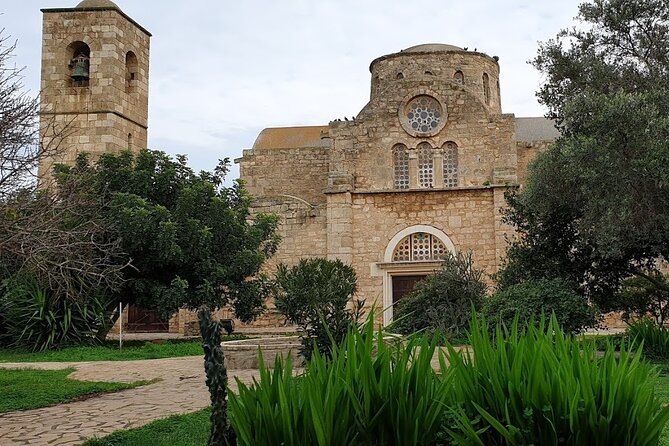
The first stop receives the longest visit, about two hours, and that is sensible. St. Barnabas is more than a quick photo stop. You visit the monastery, the Icon Museum, and the saint’s tomb, located in a cave beneath a carob tree.
The story of Barnabas gives the place its focus. He was Jewish and went to Jerusalem for higher studies. After accepting Christianity, he returned to Cyprus and began spreading the faith. Opponents killed him, and believers buried him in a cave under a carob tree before persecution drove them away toward Egypt.
For decades, the tomb’s location was unknown. The guide explains how it was eventually found, adding a human thread to what might otherwise feel like a simple museum visit. I would pay close attention here, since the value of the stop comes as much from the explanation as from the building itself.
The Icon Museum adds another layer. You can look at religious images and see how Christian tradition is presented within this former monastic setting. The visit is included in the tour price, and the two-hour allowance gives you time to take in the site without being rushed through in half an hour.
You should expect a cultural and religious visit rather than an entertainment stop. Anyone with an interest in early Christianity, Cyprus, or sacred art will get more from it. If your main goal is medieval Famagusta, remember that this first stop takes a substantial part of the morning.
Salamis, Where Myth Meets Roman Ruins
Salamis comes next, with about one hour to explore. Its legendary foundation is linked to Teucer, a hero of the Trojan War who was exiled from the Greek island of Salamis after failing to protect his half-brother Ajax. He sailed to Cyprus, founded a new kingdom, and gave it the name Salamis.
That story is a good reminder that ancient sites often mix myth, memory, and archaeology. At the ruins, your guide helps turn scattered stone into a picture of a working city. The main sights listed for the visit are the gymnasium, theatre, and Roman baths.
The gymnasium points to exercise and public life. The theatre gives you a sense of performance and civic gathering. The Roman baths show the practical side of urban life, where bathing was tied to social activity as well as cleanliness.
One hour is enough for a focused introduction, but it is not enough to wander every corner of a large archaeological site. I would stay close to the guide and ask which details matter most. Without that context, ancient ruins can blur together. With it, each building has a clearer purpose.
Admission is included, which keeps the day simple. The site may require a moderate level of walking, and the tour information advises a moderate level of physical fitness. Comfortable shoes are a sensible choice, though the experience does not promise a strenuous hike.
Entering Famagusta’s Medieval Walled City
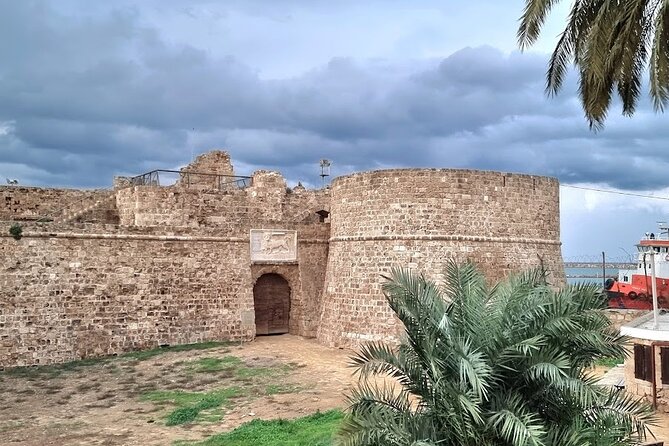
Famagusta’s old town is the heart of the afternoon. The city was enclosed by the Lusignans, and the Venetians later added to its defenses. Inside the walls, you encounter traces of several groups that passed through Cyprus.
The one-hour walking tour is short, but it gives you a useful first look at the city’s layout and major monuments. I like this part because Famagusta is best understood on foot. A vehicle can take you from landmark to landmark, but walking lets you see how the old streets, walls, squares, and buildings fit together.
Do not expect every historic building to receive a full interior visit. The tour focuses on key sights and the stories tied to them. That makes it a good introduction, especially if you want a guide to explain the architecture rather than simply photograph it.
The free admission for this section also helps the overall value. You are paying for private transport, a guide, and access to several paid historic sites, not a long list of separate entry charges at every stop.
More trips to Nicosia:
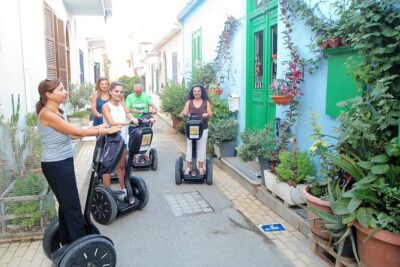
- 3-hour Nicosia Segway Tour
★ 5.0 · 323 reviews - Nicosia: Green Line and Buffer Zone Guided Walk
★ 5.0 · 147 reviews - NORTHERN CYPRUS ALL-IN-ONE Private Day Trip from Nicosia
★ 5.0 · 89 reviews - Lefkara & Nicosia’s Divided Past & Present from Paphos
★ 4.0 · 80 reviews
Lala Mustafa Pasha Mosque and Its Gothic Past
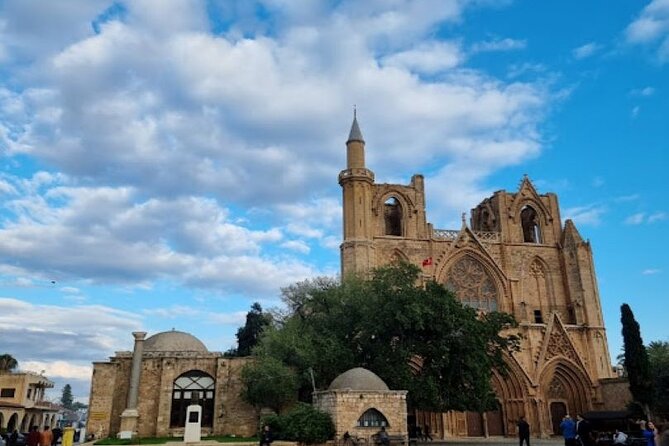
Lala Mustafa Pasha Mosque is one of Famagusta’s most striking buildings. It began as St. Nicholas Cathedral, built by the Lusignans between 1298 and 1312. For many years, kings of Jerusalem were crowned there, giving the cathedral importance beyond Cyprus itself.
When the Ottomans took control of the island, they added a minaret and converted the building into a mosque. It was first called Ayasofya and later became known as Lala Mustafa Pasha Mosque. It remains in use as a mosque today.
The change in function is visible in the building’s story and architecture. Gothic design points to the cathedral’s medieval European roots, while the minaret marks the Ottoman period. This is exactly the kind of layered history that makes Famagusta worth the trip.
Outside, look for the Ficus sycomorus tree beside the building. It is said to date from 1299, making it an unusually old living companion to the Gothic structure. The tour allows about one hour here, giving you time to study the façade, hear the history, and take in the setting.
Because it remains an active mosque, follow your guide’s instructions about entering and appropriate conduct. The tour data does not promise a particular interior experience, so treat the mosque as a historic and religious site rather than assuming every area will be open.
Namık Kemal’s Prison in the Venetian Palace
The Namık Kemal Dungeon and Museum introduces a very different chapter. During Ottoman rule, Famagusta served as a place of exile. Namık Kemal, a writer who opposed the Sultan, was imprisoned here and stayed for 38 months.
His prison lies within the Venetian palace. You also see his statue in the square named for him, with the statue replaced in 1953. The guide explains his life and books, giving the stop a personal focus that balances the larger stories of rulers, wars, and architecture.
I find this kind of small museum valuable because it brings political history down to one person. Instead of hearing only about dynasties and occupations, you learn what exile could mean for a writer. The visit is included and takes about an hour as part of the walking portion.
The stop may appeal most to you if you enjoy literature and social history. If you prefer large monuments, it will be quieter than the mosque or Salamis. That contrast is useful, since the day does not treat Famagusta as a collection of grand façades only.
Varosha, Famagusta’s Abandoned Quarter
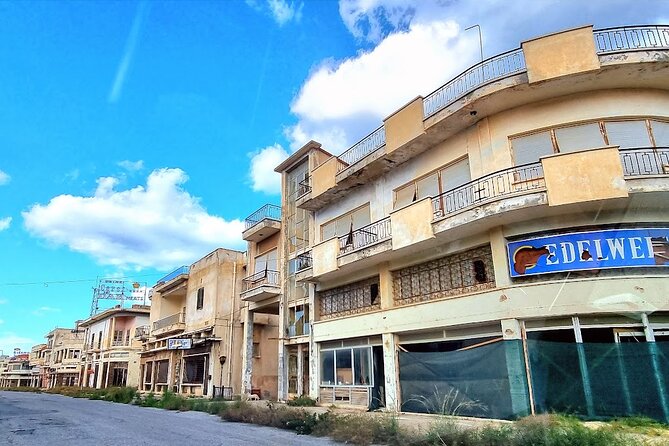
The final major stop is Varosha, often called Famagusta’s ghost town. Once filled with hotels, homes, and tourists, the quarter was abandoned in 1974. After 46 years, it reopened, allowing people to walk through part of the area.
This is likely to be the emotional high point of the day. The sight of an abandoned resort quarter carries a different weight from ancient ruins. At Salamis, time has worn down a city over centuries. In Varosha, the interruption feels much closer, and the empty setting invites questions about Cyprus’s divided modern history.
Your guide explains what happened to the area while you walk. That explanation matters. Without context, you might see only empty buildings. With it, the streets become evidence of displacement, division, and a frozen moment in the island’s recent past.
The tour allows about an hour here. I would keep your expectations measured. The experience is a walk through an abandoned district, not a standard sightseeing neighborhood with shops, cafés, or restored interiors. Its value comes from the atmosphere and the story, and that can make it more affecting than a polished attraction.
Several people singled out Varosha as the highlight, and I understand why. It is the part of the day most unlike ordinary sightseeing in Cyprus. It also makes the tour more than a medieval architecture trip.
Sirin’s Personal Touch
The guide can make or break a day with this much history. Sirin received repeated praise for her passion, humor, and ability to explain North Cyprus in an engaging way. Her approach seems to combine formal history with local connection, including a welcome at a restaurant where she knew people.
That personal quality is one of the strongest reasons to consider a private tour rather than assembling the same route alone. You get one person connecting Barnabas, Salamis, Famagusta, Namık Kemal, and Varosha into a single story.
The experience has a perfect five-star rating from 20 reviews, with every reviewer recommending it. That is a small sample, so I would not treat it as a guarantee. Still, the praise is consistent: the guide, the historical explanations, and Varosha receive the most attention.
Is $360.07 Good Value for Four People?
The price is $360.07 per group of up to four people, not per person. At full capacity, that works out to about $90 per person before any extra pickup costs. For a private seven-hour day, that is a reasonable value if your group wants a guide and does not want to arrange transport.
The price includes:
- Private transportation and a driver-guide
- Hotel pickup and drop-off from selected hotels
- Fuel surcharge
- Bottled water
- Admission to the historical sites
Lunch is extra. Pickup from some locations outside the listed central areas may also cost more. I would ask about both points before booking, especially if you are staying outside central Kyrenia or starting in Nicosia.
The value is strongest for two to four people. A solo visitor pays the full group rate, which makes the cost harder to justify. A group of four gets private service, a full day of transport, and several included admissions at a per-person price that is easier to accept.
The non-refundable cancellation rule also matters. Once booked, the amount paid cannot be refunded or changed for any reason. You should only reserve after confirming your dates, pickup location, and group size.
Who Should Book This Day Trip?
I would recommend it most strongly if you want to see several major Famagusta-area sites in one day without driving. It suits couples, families, and small groups who value personal explanations and a flexible private setting.
It is also a good fit if Varosha interests you, since the abandoned quarter receives a dedicated stop rather than being treated as a quick roadside view. History fans will appreciate the range, from Barnabas and Christian art to Greek myth, Roman public buildings, Gothic architecture, Ottoman rule, and modern division.
You may want a different plan if you prefer to spend an entire day at one archaeological site, shop and eat at leisure, or explore Famagusta independently. The schedule is efficient, not leisurely. You should also be comfortable with several walking stops and a moderate level of physical activity.
Should You Book It?
Book this tour if you want maximum historical variety with minimum transport hassle. The private format, included site tickets, and strong praise for Sirin make it particularly appealing for a group of up to four.
I would skip it only if the $360.07 group price feels high for your party size, if you need a flexible cancellation policy, or if you want long, unhurried visits at each location. For most small groups based in Kyrenia, though, this is a thoughtful way to reach Famagusta and understand what you are seeing, not just collect photographs.
FAQ
How long is the Famagusta day trip?
The tour lasts approximately seven hours, including hotel pickup, transportation, sightseeing, and return drop-off.
Where is pickup available?
Pickup is offered from centrally located hotels in Kyrenia. Pickup from selected hotels in Kyrenia or Famagusta is included, while pickup from other cities may involve an extra cost.
Is the tour private?
Yes. Only your group participates, with a private driver-guide.
How many people can join the tour?
The price of $360.07 covers a group of up to four people.
Is lunch included?
No. Lunch is not included in the tour price.
Which admissions are included?
Tickets for the historical sites are included, including St. Barnabas Monastery and Icon Museum and Salamis. The Famagusta walking stops have no admission charge listed.
What level of fitness is required?
A moderate level of physical fitness is recommended. The tour includes walking at Salamis, through Famagusta’s walled city, and in Varosha.
Can I cancel or change the booking?
No. The experience is non-refundable and cannot be changed after booking for any reason.
Just added in Nicosia
- From Paphos to Divided Nicosia (North Cyprus walk in) and Larnaca★ 3.5 · 10 reviews
- 2-Hour The Best of Nicosia Private Walking Tour★ 5.0 · 2 reviews
- Private Tour to the Highlights of Kyrenia★ 5.0 · 14 reviews
- Kyrenia Mountain Villages & Wine Tasting from Nicosia or Kyrenia★ 4.5 · 7 reviews
- Private Transfer from Nicosia to Larnaca Airport in 6 seater Taxi★ 5.0 · 1 review
- Kyrenia Half Day Tour with St Hillarion from Nicosia & Kyrenia★ 4.5 · 6 reviews
- Nicosia Private Walking Tour with a Local★ 4.0 · 11 reviews
- Nicosia and Kyrenia Private Tour From Nicosia & Kyrenia★ 5.0 · 9 reviews
Nicosia Tours, compared.
Lefkara & Nicosia’s Divided Past & Present from Paphos
Read our review →
Larnaca Highlights with visit to Lefkara and Nicosia from Paphos
Read our review →
Kyrenia Tour (only from Nicosia/Kyrenia Hotels)
Read our review →
Where else this tour turns up